Wednesday, April 30, 2014

Way to be a sell-out.

I haven’t always been am Advertising major. In fact, I started studying advertising about two years ago. The general world of marketing, PR, and advertising has in general been an unknown world to me.

I started at the University of North Texas as a music education major. I loved the idea that what I was studying would change the life of someone else. That what I was studying “mattered,” if you will, and that I could change the life of someone else without even needing to try.
                
When I decided to try Advertising, it was unexpected. Just a passing suggestion made by someone I graduated with who I hadn’t talked to in years. I took a chance and signed up, and my life hasn’t been the same ever since.

When I first began, I remember a friend saying to me, “Why did you choose to get into Advertising? Way to be a sell out.”

Way to be a sell out.

Those words stuck with me for months and months. Why did I decide to do advertising? The general public’s opinion of advertising in general is extremely negative. I generally hated ads to an extent. I skipped them on Youtube, turned them on mute on TV, and ignored them on the internet.

But the more I got involved in the field, the more I realized – advertising is just as large a part of the media as anything else. It permeates every part of general life, whether you want it to or not. I was looking, acknowledging, and experiencing advertising whether I wanted to or not. The world of marketing literally makes the world go round – so ignoring it wouldn’t make much sense.
               
  I took classes involving the research and creative side of advertising, but that little nagging in the back of my mind that told me what I was doing didn’t have a purpose didn’t go away. I wasn’t satisfied with the purpose of why I was involved in the field I was. This idea of advertising as a leech on society still lurked in the back of my thoughts. “Why are you a sell out?”            
                
Until I started this semester.
               
  Many things involving this semester made me question why it is I do what I do. Advertising is a controversial subject and field, yes, but through several experiences this semester I realized something important.
                
Anything you do is what you make it.
                
Through my involvement in the NSAC and my class, PR and Advertising Ethics, I’ve realized this important fact. Advertising is controversial, yes, but the exciting part of the field is that you have an extreme amount of power to influence what the general public thinks – whether you want to or not.
               
  My  assignments over the past year have taught me that you have the power to influence society in any way you want. If I have a client that asks me to advertise for makeup, I have a few options. A few of which include telling the public, “Hey. You need this product. Buy it because your life is worthless without it.” But that is literally the last thing I want to do. I have the ability (and skills) to create an ad that the general public will see that creates a positive mental image of society and what they should think.
               
  Advertising ethics has taught me this same lesson, but in a different light. I always assumed that general opinion was exclusively under my control and that most advertisers wanted what was worst for the public.
                
However.
                
Through taking a course (that’s required, no less) that teaches you the rules and regulations of advertising and PR, I’ve realized that the field as a whole does the best that it can to create an environment of information that provides factual, truthful, and most of all good information to the public.

                
Advertising is a grey area and always will be, but knowing the regulations and guidelines makes me feel a bit better knowing that the field I’m involved in has a general interest for the general well-being for the public.

Sunday, April 6, 2014

Spiderman and rainbow Oreos.

“Free speech is meant to protect unpopular speech. Popular speech, by definition, needs no protection.”
- Neal Bootz, author and former radio host


Free Speech. We all know about it, we all practice it (whether we realize it or not), and we all have our opinions about it. But the truth is, the First Amendment isn't something that just applies to someone yelling spoilers to the How I Met Your Mother finale in the middle of a crowded mall. It applies to everyone – and this includes brands.

We often see brands as an unattached entity, devoid of personality or opinion. And often, brands have taken this attitude of remaining completely impartial (or take a utilitarianism approach to most of their advertising and PR efforts) for many years, but as certain social situations and debates have arisen, more brands have begun taking stances.


This Kindle spot, released in February of 2012, was controversial, to say the least. It was even released that the CEO of Amazon, Jeff Bezos, donated $2.5 million to support this campaign in it's efforts. This example of advertising in which LGBT (Lesbian, gay, bisexual, transgender) representation is included, but not the focal point, is different from much of what we see in modern media. Only know in the past few years with movies like Brokeback Mountain and shows like Glee and The L Word have we seen media representation for alternative lifestyles that wasn't brushed under the table.

These brands have the right through the First Amendment to vocalize or show through imagery whatever ideals they want to (as long as they comply with advertising broadcast guidelines for profanity), and many have taken the opportunity. But why?

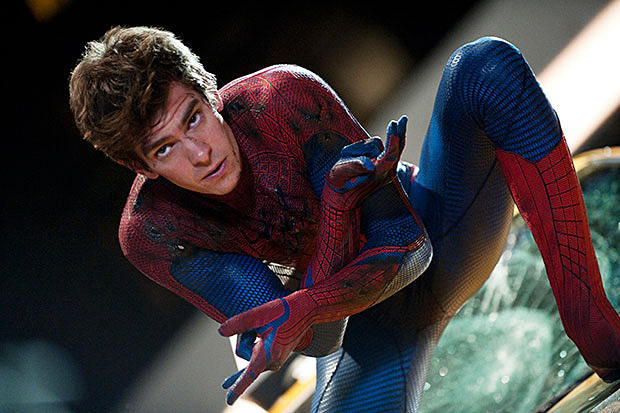
Sometimes it may purely be due to marketing reasons. Getting involved in a current cause creates brand relevancy and puts a face to the brand that says 'I have a personality!” Though I like to think that some brands are doing it simply because they believe they should. Like Peter Parker, for example


Or, as an alternative, the more attractive Andrew Garfield version:


Gwen Stacey: “But that's not your job!”
Spiderman: “Well, maybe it is”

Good for you, Peter. Good for you.

But Peter's new-found mantra makes a good point for large businesses. It's possible that any are beginning to feel this social responsibility to support causes they feel need the extra push from positions of power.

In fact, more businesses than people may realize have made their stance crystal clear.


Oreo has 26 million Facebook fans. I wouldn't call this “silent support.”

Oreo used freedom of speech to stand out in June of 2012 for Pride Day, using the clear rainbow color scheme that is widely known as a symbol for homosexuality. This post sparked thousands of response comments – some good, some...not so good - and brought the Oreo brand to the forefront of people's minds. Some cared enough to stop buying Oreos due to personal resolve, but for many, this encouraged them to buy Oreos even more, or at the very least made people think about the cookie the next time they were at their local Target.

Speaking of Target...


In 2011, Target released this ad in efforts to expand it's target market for wedding registries to LGBT couples as more states were accepting same-sex marriage laws. It received quite a bit of backlash, but Target is a big enough brand (and the registry is a “hidden” enough item among the rest of Target's retailing market) that it didn't suffer much monetarily. However, according to Huffington Post, it was discovered that Target taking this stance was internally contradictory as they had made a donation to a Republican gubernatorial candidate who happened to be an outspoken gay marriage opponent. So...do they actually support gay rights? Or was it all for show?

No matter what, companies are taking the opportunity to exercise their rights of free speech by discussing controversial topics and taking a stand as a brand for a certain cause. Whether or not this helps or hurts them is irrelevant (but interesting.) Many have even extended PR efforts in response to community backlash.


This concept of free speech protects companies from voicing their opinions, but also protects consumers responding to it. We've all seen how crazy social media reactions can be, and we can only assume that this will increase in “craziness” as more and more brands position themselves in this way.